BRAND NEW & PART-WORN TYRES
We offer a wide range of high-quality new and part-worn tyres to suit every vehicle and budget, ensuring safety, grip, and long-lasting performance.
Read More
ROAD SMART TYRE
WE ARE ROAD SMART TYRE
We deliver high-quality tyres, expert puncture repair, complete servicing, and brake system maintenance to keep you driving with confidence.
All your tyre and car care needs in one place. We provide quality tyres, quick puncture repairs,
full servicing, and expert brake pad and disc replacement for a smooth, safe drive.
Premium tyres and complete car care at competitive, budget-friendly prices.

We take pride in delivering honest, dependable service to keep you safe on the road.
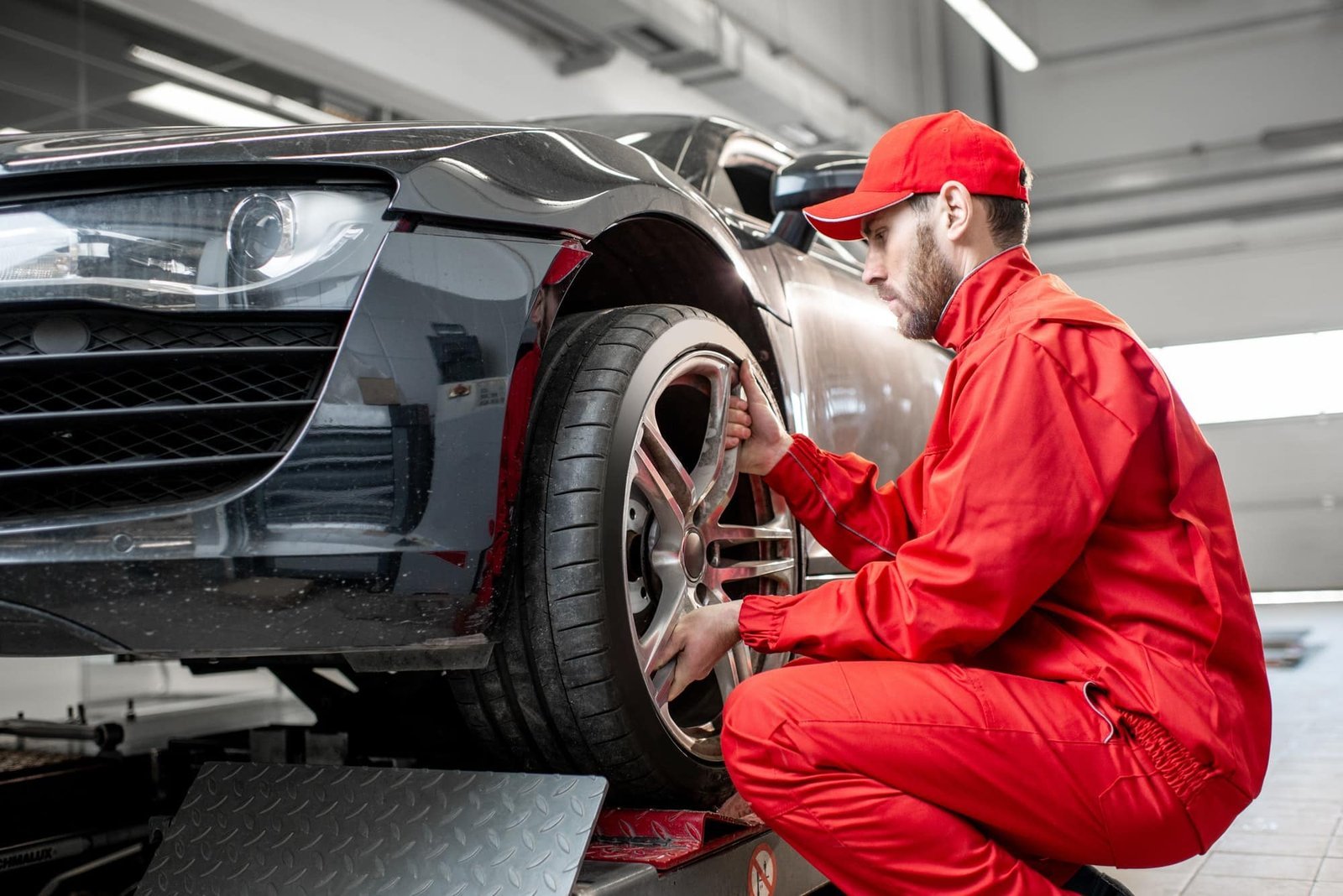
Top-quality tyres and services you can rely on. Built for safety and durability.
ABOUT US
At Road Smart Tyre, we provide reliable and affordable tyre and car care solutions all in one place. From brand new and part-worn tyres to puncture repairs, full servicing, and brake pads & discs, our goal is to keep your vehicle safe, smooth, and road-ready.
With a focus on quality, honest service, and customer satisfaction, we make sure all job is done with care and precision. Whether it’s a quick repair or a full check-up, you can trust us to keep you moving with confidence.
MORE ABOUT USOUR SERVICES
We offer a wide range of high-quality new and part-worn tyres to suit every vehicle and budget, ensuring safety, grip, and long-lasting performance.
Read MoreQuick and reliable puncture repair services to get you back on the road safely, minimizing downtime and hassle.
Read MoreComprehensive vehicle servicing including engine checks, oil changes, and overall maintenance to keep your car running smoothly and efficiently.
Read MoreExpert brake maintenance and replacement to ensure your vehicle stops safely every time, with high-quality parts and precise installation.
Read MoreTYRE SERVICES
At Road Smart Tyre, we specialize in offering premium new and part-worn tyres, fast puncture repairs, full vehicle servicing, and expert brake maintenance. Quality, safety, and customer satisfaction are our priorities.
Choose from a wide selection of tyres tailored to your vehicle and budget. Whether you want brand new or part-worn, we have reliable options that deliver performance and safety.
We provide professional tyre fitting and wheel balancing, plus brake pads and discs replacement for your vehicle's safety and smooth driving experience.
HIGH TECHNOLOGY
We provide comprehensive tyre and vehicle care services to keep your car safe and performing at its best. Whether you need new tyres, repairs, or expert advice, we're here to help with quality you can trust.
Trusted experts ready to assist you
Solutions for both small and large vehicles
Friendly guidance from our experienced staff
Valued customer feedback drives our service
TESTIMONIAL
We're proud to share what our customers say about us. Quality service, trust, and satisfaction drive everything we do.
Excellent service! The staff was professional and the quality is outstanding.
Affordable prices, great service and quick turnaround. Highly recommended!
Very good customer service and quality tyres. I'm fully satisfied.
Best service for tyres and performance. Will visit again!